By Rashleigh MacFarlane
The government’s new housing targets have caused a mixture of dismay and excitement in local council planning departments.
There are currently thought to be about 13,140 second homes in Cornwall which are empty for most of the year.
St Austell and Newquay MP Noah Law last night raised the issue with deputy Prime Minister Angela Rayner, asking her to consider measures to tackle the scourge of empty properties alongside the quest to build new homes. Ms Rayner promised she would.
The demand for 10 New Towns, each of at least 10,000 homes, is intended to trigger the biggest house-building programme since the 1940s and 50s.
Cornwall looks likely to be told to approve planning applications for 4,454 new homes a year – an increase of more than 65% on last year.
It means that even the giant – by Cornish standards – Truro New Town project at Langarth would be too small to meet demand. It envisages 3,800 homes over 20 years, with only 35% “affordable.” The government now wants New Towns more than twice this size, with at least 40% “affordable” and a new emphasis on homes for social rent.
Ministers hope to identify the exact sites for the New Towns within 12 months. But a survey of existing projects suggests the possibilities in the South West. It appears that each region will be forced to take at least one New Town.
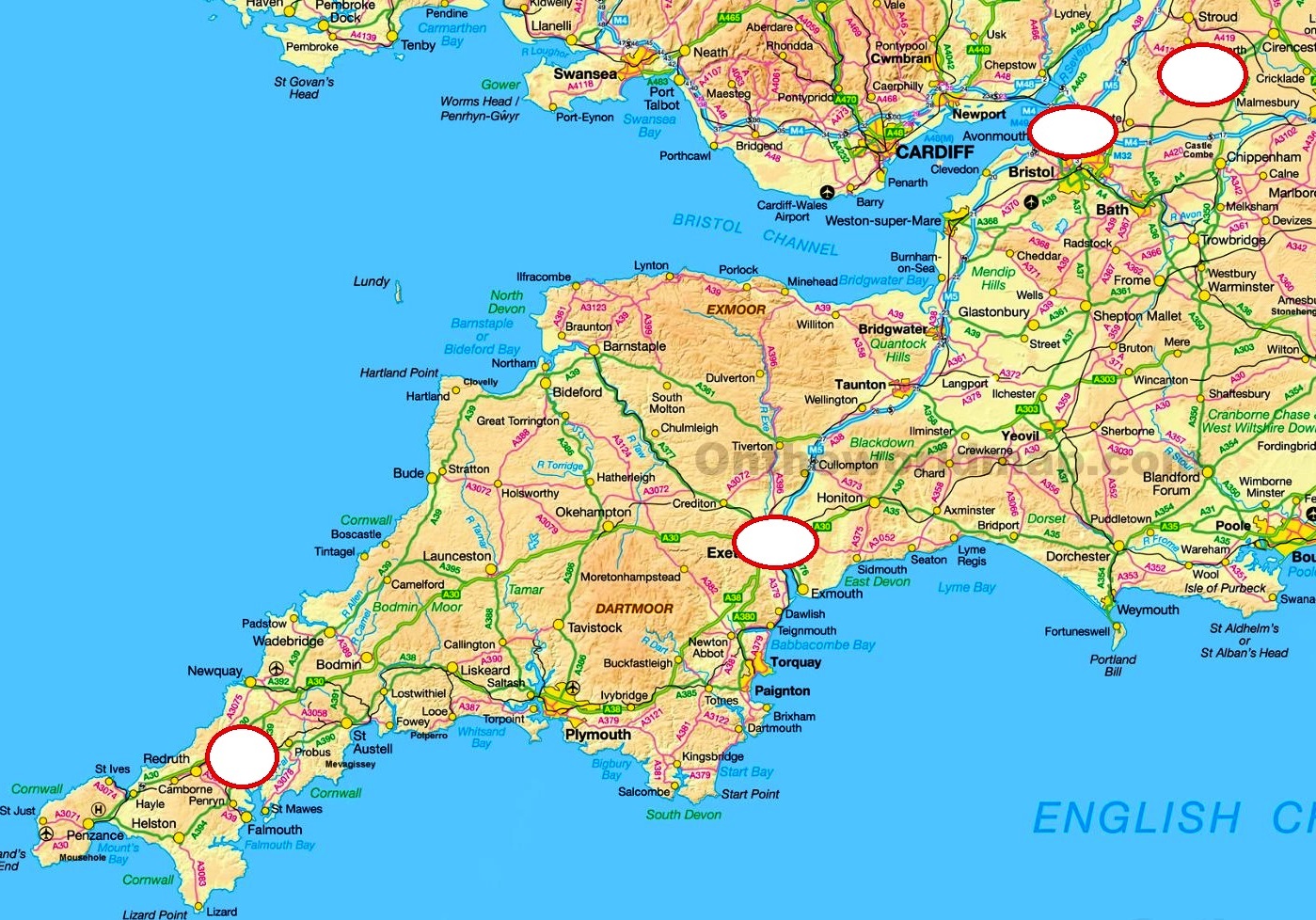
The Lotmead project, near Swindon, is aiming for 8,000 homes. The former Filton airfield at Bristol aims for 6,500. Langarth, near Truro is next with the Matford Barton scheme, near Exeter, aiming for 2,500.
Environment campaigners are expected to renew their call for development to be concentrated on existing brownfield sites. In Cornwall, most of these are former industrial land associated with mining heritage, particularly in the Camborne-Redruth area.
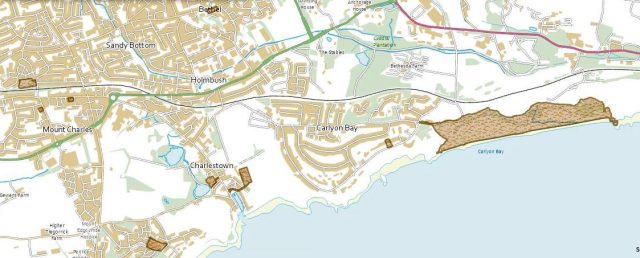
But one of the most high-profile of brownfield sites is at Carlyon Bay, St Austell, which has had planning permission for residential development for 30 years. Once home to the Cornwall Coliseum, which closed in 1991, the site has remained derelict.
A real test of the Labour government’s determination to fix the nation’s housing crisis would be new legislation to beef up compulsory purchase powers, putting an end to the land-banking which allows developers easy profits while delivering zero community benefit.
Cornwall Council recently admitted that it had granted more than 2,000 planning approvals for projects which it no longer believed would ever happen. The council itself is one of Cornwall’s worst “land-bankers.”
Another mystery is where the search for New Town sites – and the more general 65% increase in planning approvals – will leave the status of local Neighbourhood Development Plans.
These were introduced by the Conservative-Liberal Democrat coalition’s Localism Act of 2011 and are sometimes regarded as a “NIMBY’s Charter,” where residents seek to protect their communities from inappropriate building which is greater than local demand. Cornwall already has dozens of approved NDPs.

They didn’t say that all ten new towns had to be in Cornwall! So calm down planners!